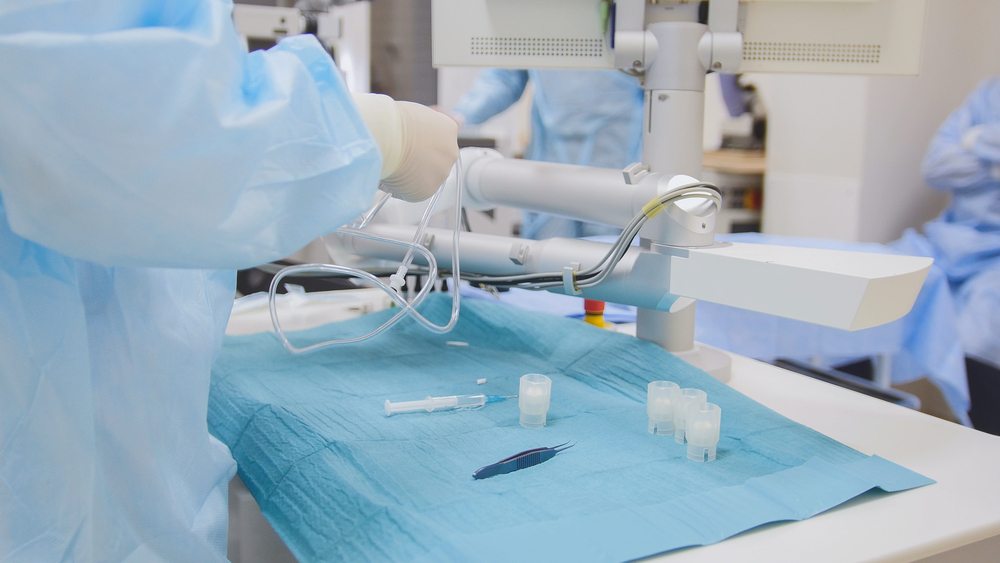
Miami-Dade medical malpractice lawyers at Berger & Hicks represent patients harmed by a misdiagnosis, a surgical error, a medication mistake, or another failure to meet the accepted standard of care.
Florida law does not let a medical malpractice lawsuit go straight to court. A formal presuit notice starts a 90-day investigation period before a patient in Miami-Dade County files suit against a doctor, hospital, or other health care provider, and missing a step in that process derails a claim before it starts.
Miami-Dade medical malpractice lawyers at Berger & Hicks manage that presuit process directly, and Martin Berger and Zachary Hicks review the medical records and expert findings personally in every case. Call (305) 670-7050 for your free case review.
Berger & Hicks Manages the Investigation Personally in Every Medical Malpractice Case

Berger & Hicks handles the presuit notice, the expert review, and the 90-day investigation window directly, without outsourcing that work to outside counsel or a case manager. Martin Berger and Zachary Hicks read the medical records themselves before deciding whether a case meets Florida's expert affidavit requirement.
Reviewing Medical Records Before Filing a Notice of Intent
Berger & Hicks reads the full medical record, not just the discharge summary, before filing a notice of intent to sue a health care provider. That record review identifies which treatment decisions fall below the accepted standard of care and which fall within it.
Trial-Ready Partners for Cases That Reach Litigation
Martin Berger and Zachary Hicks each bring close to fifty years of combined litigation experience to a medical malpractice claim, and both partners try cases in front of a jury when a hospital's insurer denies a claim the evidence supports. That trial history factors into settlement negotiations from the first demand letter forward.
What Do You Need to Prove in a Florida Medical Malpractice Claim?
A Florida medical malpractice claim requires proof of four elements: a doctor-patient relationship, a breach of the accepted standard of care, a direct connection between that breach and the injury, and measurable damages.
The standard of care is the level of treatment a reasonably prudent health care provider gives under similar circumstances. Florida Statute 766.102 requires an expert witness testifying about the standard of care to hold similar training and experience to the provider being accused of a breach.
Why an Outcome Alone Does Not Prove Malpractice
A bad medical outcome, on its own, does not establish malpractice under Florida law. A claim requires proof that a provider's treatment fell below the standard of care, not just that the treatment failed to produce the result a patient hoped for.
What Types of Medical Errors Support a Miami-Dade Medical Malpractice Claim?
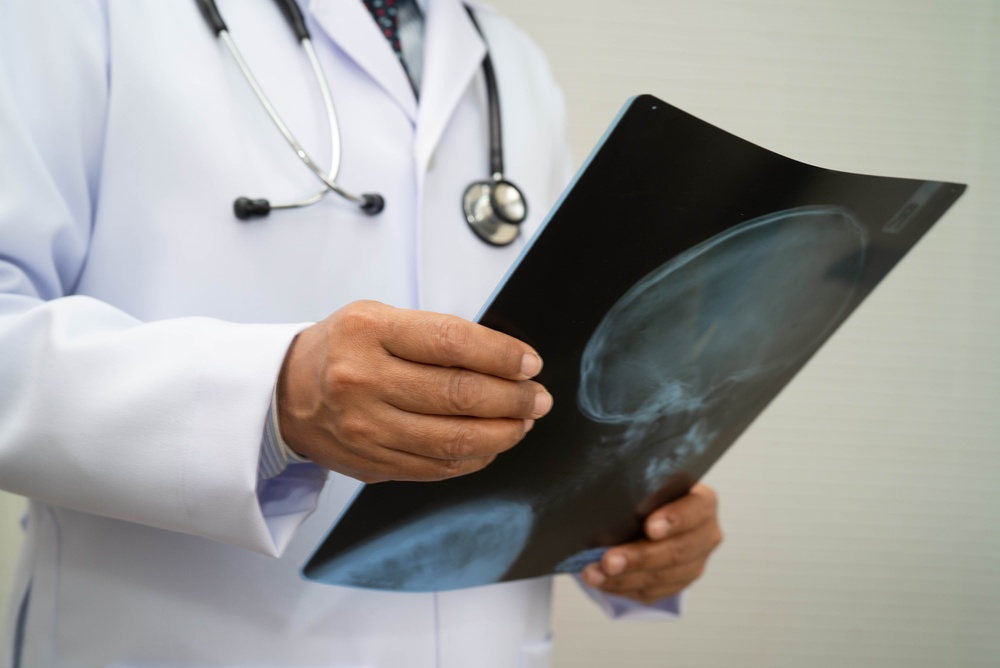
Medical malpractice claims in Miami-Dade cover a range of treatment failures, from a missed diagnosis to a surgical error to a medication mistake. Each error type relies on a different medical standard and a different set of records.
- Misdiagnosis or delayed diagnosis happens when a provider fails to identify a condition that a competent diagnostic process catches.
- Surgical errors happen when a procedure damages tissue, organs, or nerves outside the accepted risk of that surgery.
- Medication errors happen when a patient receives the wrong drug, the wrong dose, or a drug that conflicts with a known allergy or condition.
- Birth injuries happen when a provider fails to respond to signs of fetal distress or misuses delivery instruments.
- Anesthesia errors happen when dosing mistakes or monitoring failures cause injury during a procedure.
What Steps Does Florida Require Before You File a Medical Malpractice Lawsuit?
Florida law requires a patient to complete a presuit investigation before filing a medical malpractice lawsuit, under Florida Statute 766.106. That process starts with a notice of intent to sue and includes a 90-day investigation period before either side files suit.
Florida's presuit process follows a set order, and each step carries its own requirement.
| Step | Requirements |
| Notice of intent | Formal written notice to the health care provider stating the intent to pursue a claim |
| Corroborating expert affidavit | A written opinion from a qualified expert supporting the claim, filed under Florida Statute 766.203 |
| 90-day investigation period | A window during which the provider's insurer reviews the claim and responds |
| Filing suit | The formal lawsuit is filed once the presuit period ends or the provider rejects the claim |
Skipping or mishandling any step in this process gives a defense attorney grounds to challenge the entire lawsuit, which is why the presuit stage requires the same attention as the trial itself.
Why the Corroborating Affidavit Matters Before Filing
A corroborating affidavit gives a court proof that a qualified medical expert reviewed the case and found a reasonable basis for the claim before it reaches litigation. Filing suit without a valid affidavit risks dismissal on procedural grounds, regardless of the strength of the underlying medical facts.
How Long Do You Have to File a Medical Malpractice Claim in Florida?
Florida law gives a patient 2 years from the date an injury is discovered to file a medical malpractice claim, under Florida Statute 95.11. A separate 4-year statute of repose limits how long that discovery period stays open, regardless of when the injury surfaces.
Why the Presuit Period Extends the Filing Deadline
The presuit notice pauses the filing clock for the length of the 90-day investigation period, which extends the deadline by that amount of time. A claim involving fraud or intentional concealment extends the repose period to 7 years.
What Compensation Is Available in a Miami-Dade Medical Malpractice Case?
A medical malpractice claim covers medical expenses tied to correcting the error, lost income, permanent impairment, and pain and suffering. An injured patient may be entitled to compensation once negligence and causation are proven, though Florida law does not guarantee a specific dollar amount.
- Additional medical costs cover treatment needed to correct the injury caused by the error.
- Lost income accounts for time away from work during treatment and recovery.
- Permanent impairment adds to a claim's value when the error causes a lasting limitation.
- Pain and suffering reflects the physical and emotional impact of the injury.
- Wrongful death damages apply when a family member dies because of a medical error, under Florida's Wrongful Death Act.
Medical records and expert testimony carry the weight in valuing each of these categories, since a malpractice claim depends on documented harm rather than the patient's own account alone.
What Do You Do After You Suspect Medical Malpractice, Once You're Stable?
Requesting complete medical records and getting a second medical opinion protect both your health and a future medical malpractice claim. These steps apply once you are stable and out of immediate danger, not during ongoing treatment.
- Request a complete copy of the medical record, including nursing notes and lab results, not just the discharge summary.
- Get a second medical opinion from a provider unconnected to the original treatment.
- Write down the treatment timeline while the details remain clear, including dates, providers, and instructions given.
- Keep a record of new or worsening symptoms after the treatment in question.
- Contact a lawyer early, since Florida's presuit process adds time before a lawsuit reaches a courtroom.
What Does It Cost to Hire a Medical Malpractice Lawyer in Miami-Dade?

Hiring a medical malpractice lawyer at Berger & Hicks costs nothing upfront, since the firm handles these cases on a contingency fee basis. Legal fees come out of a settlement or verdict, not out of pocket, and a free case review carries no obligation.
Expert Review Costs Are Part of Building a Medical Malpractice Case
A medical malpractice claim requires a qualified expert to review the records and sign a corroborating affidavit before filing, and those review costs get built into how the case proceeds. Berger & Hicks covers these costs as part of preparing the case, consistent with the firm's contingency fee structure.
Ask Berger & Hicks About Medical Malpractice Claims in Miami-Dade
What if the hospital says my complication was a known risk of the procedure?
A known risk disclosed before a procedure does not automatically block a medical malpractice claim, since the claim turns on whether the provider met the standard of care in causing or handling that risk. A complication listed on a consent form does not excuse a provider from responding to it properly once it develops.
Do I have a case if the doctor who treated me has since retired or moved away?
A provider's retirement or relocation does not end a medical malpractice claim, since Florida law allows a claim to proceed against the provider and, in many cases, the facility that employed them at the time of treatment. Locating a retired provider for the presuit process takes additional steps but does not stop the claim.
What happens if more than one provider was involved in my care?
More than one provider sharing responsibility for an error results in a claim that names each provider whose treatment fell below the standard of care. Florida's presuit process requires separate notice to each provider named in the claim.
Do I need the exact name of the medication or procedure that caused my injury?
Knowing the exact medication or procedure name helps but is not required to start a medical malpractice review, since a complete medical record identifies these details for review. An attorney and a medical expert identify the specific treatment at issue during the record review.
How long does a medical malpractice case in Miami-Dade take to resolve?
A medical malpractice case in Florida takes between one and three years to resolve, given the mandatory presuit investigation period and the time needed for expert review. A case that proceeds to trial takes longer than one resolved during the presuit period or through settlement.
Do I need a lawyer to file a notice of intent to sue a doctor?
A lawyer is not legally required to file a notice of intent, though the presuit process involves strict procedural rules, and a missed deadline or an incomplete affidavit ends a claim on technical grounds. Handling this step without legal guidance risks a technical dismissal before the claim reaches its merits.
What if the malpractice happened at a hospital outside Miami-Dade, but I live here?
Living in Miami-Dade does not limit where a medical malpractice claim gets filed, since jurisdiction follows the location of the treatment in question. A Miami-Dade medical malpractice lawyer handles a claim tied to treatment received elsewhere in Florida.
Do I have a claim if I signed an informed consent form before the procedure?
An informed consent form covers disclosed risks of a procedure, not a provider's failure to meet the standard of care during that procedure. Signing a consent form does not waive a patient's right to pursue a claim for a treatment error.
What if the provider says my injury resulted from my own underlying condition?
A provider's claim that an underlying condition caused the injury does not end a medical malpractice case, since the claim turns on whether negligent treatment contributed to or worsened that outcome. Medical experts on both sides address this exact question during the presuit review.
Take Action on a Miami-Dade Medical Malpractice Claim Before the Presuit Clock Starts Working Against You

The 90-day presuit investigation period does not pause for a patient still deciding whether to pursue a claim, and each week spent deciding is a week gone from an already tight legal timeline.
Berger & Hicks reviews Miami-Dade medical malpractice claims directly with Martin Berger or Zachary Hicks, starting the medical record review immediately rather than waiting for a decision to hire.
Call (305) 670-7050 to find out whether your case meets Florida's standard of care requirement and what the presuit process looks like from here.