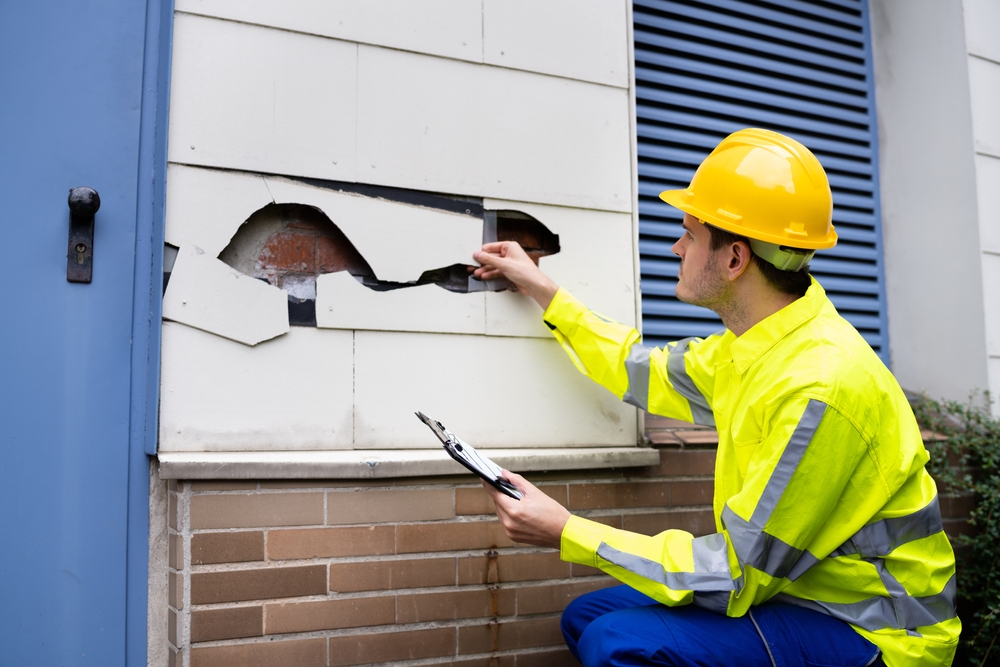
An insurance company's first offer on a property claim is rarely designed to make a homeowner whole. It is designed to close the file for less than the claim is worth. Berger & Hicks, P.A. represents homeowners across Homestead, West Kendall, and the South Miami-Dade suburbs who are fighting Big Insurance over a denied or underpaid homeowners claim.
A Miami-Dade property insurance lawyer at our firm helps a homeowner fight a delayed, underpaid, or denied claim after storm, water, fire, or other covered damage. Florida law sets strict deadlines for how fast an insurer must respond and pay.
Our lawyers handle these disputes personally, from the first denial letter through appraisal, litigation, or trial if the insurer will not pay what the policy actually covers.
Call (305) 670-7050 for a free consultation. Our services are also provided in Spanish.
What Kinds of Property Insurance Claims Does Berger & Hicks Handle?

At Berger and Hicks we handle insurance claims ranging from hurricane damage to theft and vandalism. Homeowners across South Florida deal with a wide range of covered losses, and each type of damage brings its own insurance company issues.
The types of claims we handle include:
- Hurricane and windstorm damage to roofs, windows, and structures.
- Water damage from burst pipes, appliance failures, or storm intrusion.
- Fire and smoke damage, including damage from a neighboring property.
- Theft and vandalism losses covered under a standard homeowners policy.
- Mold damage connected to an unresolved or improperly repaired water claim.
Why Homeowners in Homestead and West Kendall Call Berger & Hicks
Martin Berger brings over three decades of experience and an AV Preeminent rating to property insurance disputes. Zachary Hicks, a Super Lawyers honoree fluent in Spanish, adds more than two decades of his own.
Both partners work these cases directly, and the firm advances the costs of investigation and litigation, with a free consultation and no fee unless the case recovers.
Our firm does not take every case. Our intake is selective, which means the cases it does accept get the personal attention of a partner.
What Deadlines Must a Florida Insurer Meet After a Claim Is Filed?
Florida law imposes specific response deadlines on every residential property insurer under Fla. Stat. § 627.70131, these are the deadlines that have to be met by insurers:
| Insurer Obligation | Deadline |
|---|---|
| Acknowledge receipt of the claim | 7 calendar days |
| Begin investigation after proof of loss | 7 days |
| Complete a physical inspection | 30 days after proof of loss |
| Pay or deny the claim | 60 days after receiving notice |
These deadlines can be extended for factors outside the insurer's control, but ordinary staffing shortages or a backlog of claims after a storm does not qualify as a valid excuse.
How Long Does a Homeowner Have to Report a Property Claim in Florida?

A new or reopened property insurance claim in Florida generally must be reported to the insurer within one year of the date of loss, under Fla. Stat. § 627.70132. Supplemental claims, meaning additional damage discovered on a claim already reported, must be submitted within 18 months of the date of loss.
Missing either window can bar the claim entirely, even if the underlying damage is real and well-documented. Homeowners who wait to see if a problem gets worse, particularly with water intrusion or roof damage, risk running out the clock before the full extent of the loss is known.
What Happens If the Deadline Is Missed?
An insurer that receives late notice of a claim can deny it outright based on the missed deadline alone, regardless of how strong the underlying damage claim would otherwise be.
Some late notice can still be salvaged if the homeowner can show the insurer was not prejudiced by the delay, but that is a difficult argument to win without an attorney building the record.
What Tactics Do Insurance Companies Use to Reduce Property Claims?
Insurance adjusters are trained negotiators working for the company paying the claim, not for the homeowner filing it. Recognizing common tactics help homeowners respond instead of accepting the first offer.
- Offering a quick, low settlement before the full scope of damage is documented.
- Attributing storm or water damage to normal wear and tear or a pre-existing condition.
- Sending repeated requests for the same documentation to delay the investigation clock.
- Using a company-hired adjuster whose damage estimate runs far below an independent contractor's bid.
- Citing a policy exclusion that does not actually apply to the specific type of loss claimed.
What Does Insurance Bad Faith Mean Under Florida Law?
Florida allows a policyholder to pursue a separate bad faith claim against an insurer under Fla. Stat. § 624.155 when the insurer unreasonably delays, underpays, or denies a claim it should have paid. Before filing that claim, the policyholder must generally submit a Civil Remedy Notice to the Florida Department of Financial Services and the insurer gets 60 days to pay the claim or resolve the problem before a lawsuit can proceed.
Mere negligence by the insurer is not enough to prove bad faith. The conduct generally needs to show the company acted unreasonably in how it handled the claim, not simply that it made a mistake or reached a different damage estimate than the homeowner expected.
What Can a Homeowner Recover if an Insurer Acted in Bad Faith?
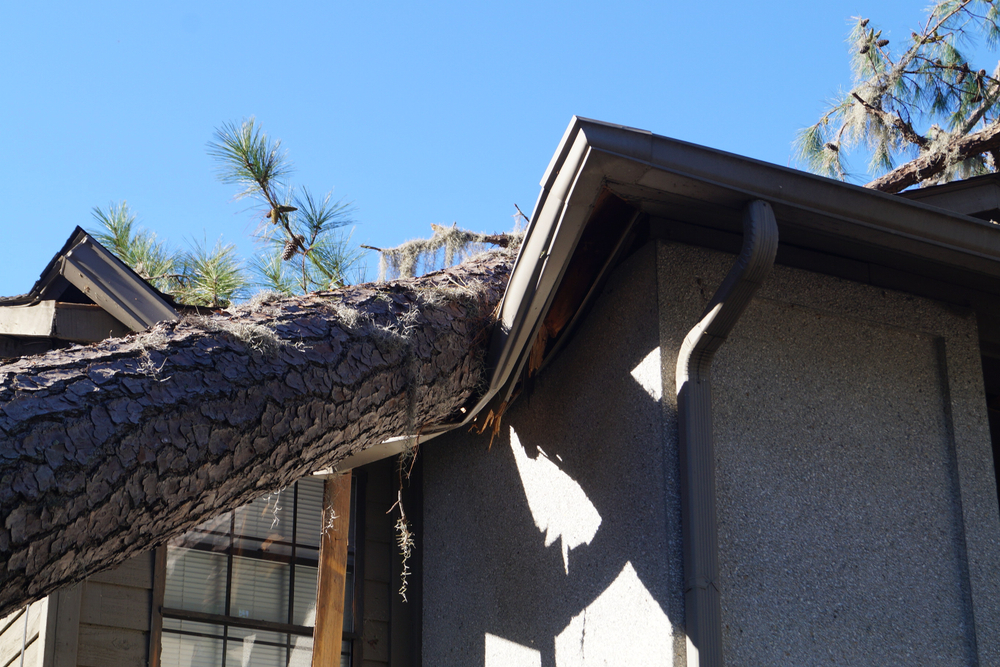
A successful bad faith claim under Fla. Stat. § 624.155 can recover more than the original amount the insurer should have paid under the policy. The statute allows the policyholder to recover damages that are a reasonably foreseeable result of the insurer's violation, which can include consequential losses caused by the delay itself, such as additional property damage from an unrepaired roof or the cost of alternative housing.
Upon a court judgment against the insurer, the statute also makes the insurer liable for court costs and reasonable attorney's fees. That fee-shifting provision matters because it changes the economics of a dispute. An insurer facing a strong bad faith case is not just risking the original claim amount, it is risking the cost of the entire lawsuit.
Homeowners first resolve the underlying coverage dispute, whether through a judgment, an appraisal award, or a payment that establishes the insurer owes the claim, before a bad faith claim can move forward on its own.
What Is Insurance Appraisal, and When Is It Useful?
Many Florida homeowners policies include an appraisal clause as an alternative to a lawsuit when the dispute is only about the amount of the loss, not whether the claim is covered at all. Each side selects an appraiser, the two appraisers select a neutral umpire, and the panel sets the value of the damage.
Appraisal can resolve a dispute faster than litigation, but it only settles the dollar amount of a covered loss. It does not address a full denial of coverage, and invoking appraisal at the wrong stage of a dispute can sometimes limit other options later.
What Should a Homeowner Do Right After Property Damage?
The first hours and days after damage occurs shape how strong the eventual claim will be. These steps can help protect your claim:
- Photograph and video every room and area of damage before any cleanup begins.
- Make only reasonable emergency repairs needed to prevent further damage, and keep all receipts.
- Get an independent contractor estimate rather than relying solely on the insurer's adjuster.
- Keep a written log of every call, email, and letter exchanged with the insurance company.
- Submit the notice of claim and proof of loss in writing, not just over the phone.
That documentation becomes the backbone of the claim if the insurer later disputes the cause or extent of the damage, which happens often enough that skipping these steps can cost a homeowner real money later.
FAQ for the Miami-Dade Property Insurance Lawyers at Berger & Hicks
My insurance company keeps asking for the same documents I already sent. What is going on?
Repeated documentation requests sometimes reflect a genuine records issue, but they can also be a tactic to reset the investigation clock, so it helps to keep dated copies of everything already submitted.
The adjuster's estimate is way lower than what my contractor quoted. Do I have to accept it?
No. A homeowner is not required to accept the insurer's first estimate, and a significant gap between that number and an independent contractor's bid is often worth a second review.
My roof claim was denied because the insurer says it's wear and tear, not storm damage. Is that final?
Not necessarily. Wear and tear denials are common even when storm damage is the real cause, and an independent inspection can sometimes show the denial does not match the actual condition of the roof.
How much of my settlement would go to attorney's fees?
Berger & Hicks handles these cases on a no-fee-unless-recovery basis, and the specific fee structure is explained clearly before any case begins, so there are no surprises later.
Do I need a lawyer to file a homeowners insurance claim?
No, not to file the initial claim, but a lawyer becomes valuable once an insurer delays, underpays, or denies a claim that should have been covered.
Can I still get help if my claim was already denied?
Yes. A denied claim is not always a final decision, and Berger & Hicks reviews denial letters to determine whether the insurer's stated reason actually holds up.
What if I already signed a settlement release from the insurance company?
It depends on the specific release language, though a signed release generally limits further options, which is why reviewing any settlement paperwork before signing matters.
Does filing a claim against my insurer raise my premium?
Maybe, though Florida law limits some practices around claims-based non-renewal, and a homeowner should not avoid a legitimate claim purely out of concern about a future rate increase.
How long do property insurance disputes usually take to resolve?
It depends on the complexity of the claim and whether the insurer negotiates in good faith, but many disputes resolve faster once an attorney is involved and the insurer sees the case is being taken seriously.
Get Clarity on Your Property Claim by Speaking to a Miami-Dade Property Insurance Lawyer

Once a settlement release is signed, most homeowners cannot go back and ask for more, even if the damage turns out to be worse than first assumed.
Berger & Hicks, P.A. reviews property insurance disputes for homeowners across Homestead, West Kendall, and the South Miami-Dade suburbs at no cost, with no fee unless the case recovers.
Call (305) 670-7050, our lawyers speak Spanish and your consultation is free.